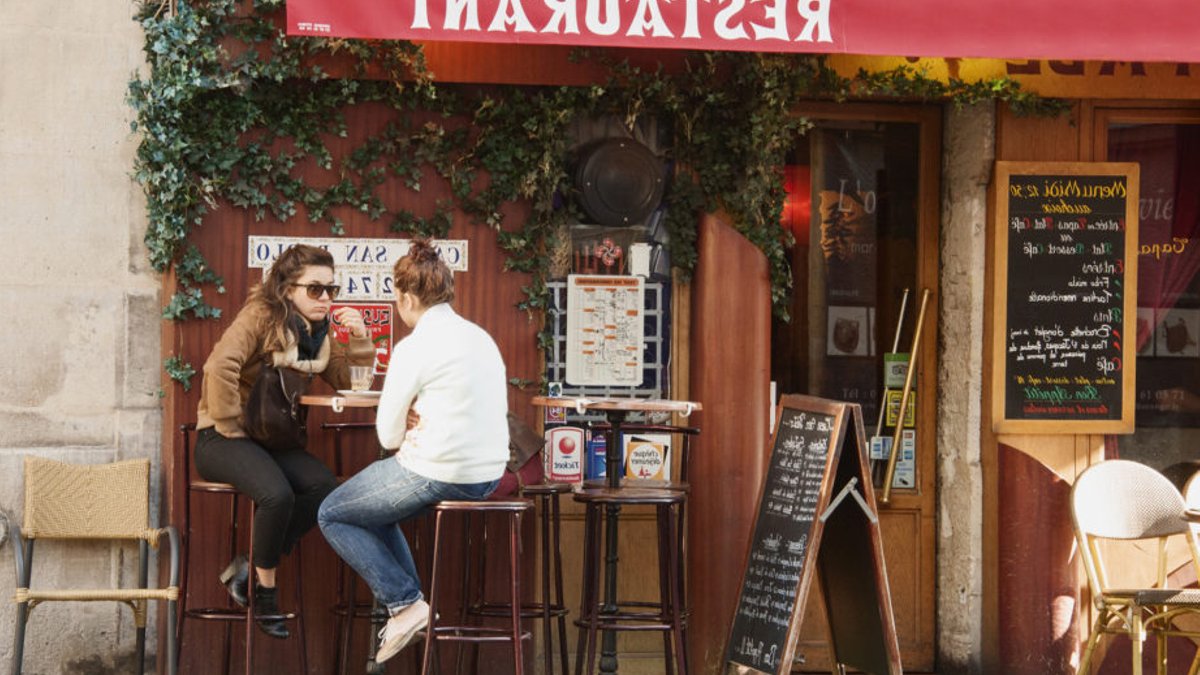
The European restaurant industry faces a sharp decline in diners, prompting operators to explore lower‑cost formats, delivery services and tax incentives as a way back to profitability.
Tax cut offers temporary relief
Germany’s hotel and restaurant federation DEHOGA secured a reduction in value‑added tax on meals from 19 percent to 7 percent, effective 1 January. The change, long lobbied by DEHOGA president Guido Zöllick, allows many establishments to keep prices steady rather than raise them again.
German gastronomy turnover fell 5.1 percent in real terms the previous year, and Zöllick warned the sector was nearing “the limit of burden capacity”. While the tax cut eases pressure, he still forecasts a sixth consecutive loss‑making year, indicating the relief may be short‑lived.
Consumer habits shift across Europe
Data from market‑research firm Circana shows restaurant visits remain below pre‑pandemic levels. In France, footfall was still nine percent down from 2019 by mid‑2023; Italy and Spain each lagged four percent. Solo diners now account for 15.6 percent of full‑service visits, up from 9.4 percent in 2016, reflecting a trend toward smaller meals.
Related: Cities Accelerate Repairs to Stop Water Leak Crisis
Energy costs and geopolitical uncertainties continue to strain small operators, according to Marie Audren, director‑general of HOTREC, at the association’s annual assembly in Cork. The industry’s “reset” is evident in the rise of compact counters and limited menus designed for one‑person tables.
The Big Mamma group, founded by Victor Lugger and Tigrane Seydoux, expanded to 35 restaurants in nine countries, posting a 27 percent turnover increase last year. Their Parisian trattorias, known for red lighting and homemade pasta, have attracted long queues, and a private‑equity partner recently took a majority stake.
Another venture, the Ephemera Group, pushed the theatrical angle further with its seventh projection‑mapped restaurant, Under The Sea, in Montpellier, which secured 10,000 bookings within three days of opening.
Delivery platforms are also reshaping the market. Miki Kuusi left his role as chief executive of Wolt in October to lead Deliveroo, both owned by DoorDash after a 2022 acquisition. Wolt operates in 27 countries and generated one billion euros in grocery sales last year, alongside its restaurant orders. In February, DoorDash shuttered Wolt’s operations in Japan and Uzbekistan, while closing Deliveroo’s services in Qatar and Singapore, reflecting a strategic consolidation.
Related: Solano Grand and Wynwood Grand: A Final Checklist for Confident Buyers
Circana recorded record European delivery volumes during the same period, much of it produced in kitchens that have no seats for diners. This “dark‑kitchen” model is gaining traction; Coherent Market Insights values the European segment at $7.4 billion in 2026 and projects it could exceed $25 billion by 2033, led by Germany and the United Kingdom.
Licensing and franchising are becoming common growth strategies. Anton Soulier transformed his French group Taster’s into a licensing business, now operating in over 400 online restaurants across 80 European cities after raising €30 million. Similarly, Clément Benoit expanded Not So Dark’s model in 2021, securing €83 million to let independent restaurateurs run its brands.
Mid‑size chains are also adapting. Mirko Silz moved Italy’s L’Osteria into the space left by Vapiano’s 2020 insolvency, opening its 200th restaurant in Hamburg in February 2025. The chain pledged €60 million to expand into France, Poland and Spain, using a blend of franchised and company‑owned sites, and projected up to 10,000 new jobs.
For many small operators, the shift toward solo diners and compact service formats is a pragmatic response to reduced foot traffic. By trimming menus and focusing on quick, affordable meals, they aim to retain a slice of a market that now sees one full‑service seat occupied for every six customers, according to Circana’s analysis.
Related: GAP Group Launches Nationwide Recycling to Address Construction Waste
Everyday diners may find fewer traditional sit‑down options but more niche concepts and delivery choices.
Debate over the tax policy
Not everyone in Germany welcomes the reduced VAT rate. Monika Schnitzer, head of the Council of Economic Experts, argues the benefit is not limited to small, traditional eateries but also aids large international fast‑food chains. She suggests abolishing the lower rate, questioning whether the measure represents the best use of public funds. The tax cut reportedly costs German taxpayers €3.4 billion annually.
Circana expects Germany to lead the recovery, projecting a 1.6 percent rise in restaurant visits for 2026, while Spain trails with a modest 0.2 percent increase. Nonetheless, visits across major European markets remain below 2019 levels, and the industry’s path forward appears tied to a combination of fiscal measures, innovative formats and the continued growth of delivery‑centric operations.