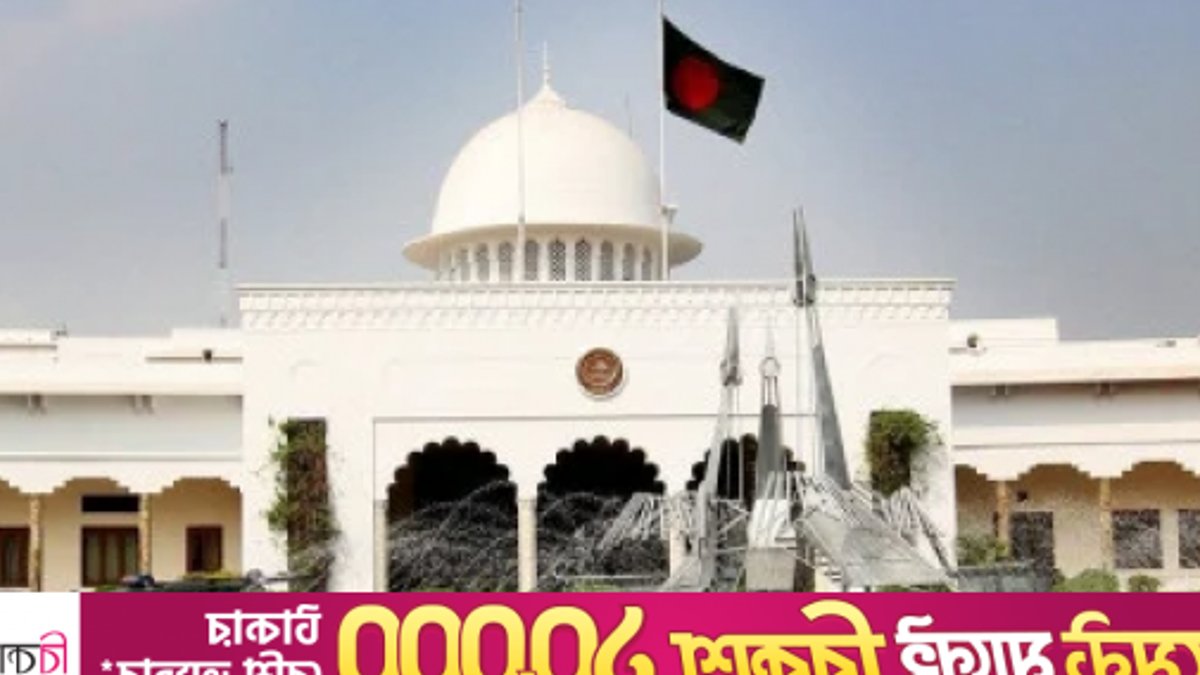
Bangladesh is set to end a 35-year run of uncontested presidential elections after Jamaat-e-Islami decided to nominate a candidate for the upcoming race.
The party’s Central Executive Council unanimously decided on August 8 to participate in the presidential election scheduled for August 20. A meeting of the party-led alliance has been called for today to finalise the opposition candidate.
Nomination timeline and voting rules
Nomination papers will be submitted on August 13, with scrutiny scheduled for August 16 and the deadline for withdrawal of candidature set for August 18. If more than one valid candidate remains, MPs will vote in parliament from 2 p.m. to 5 p.m. on August 20. There will be no voting if only one candidate remains.
Related: India urged to act on Hasina claim
The last contested presidential election was in October 1991, when the Bangladesh Nationalist Party nominated Abdur Rahman Biswas and the Awami League backed former chief justice Badrul Haider Chowdhury. Biswas won and became the first president to complete a five-year term at Bangabhaban following the restoration of parliamentary democracy.
No presidential election since the Biswas-Badrul contest has required lawmakers to choose between competing candidates. In 1996, former chief justice Shahabuddin Ahmed, nominated by the Awami League, was elected without a contest. He had earlier served as acting president during the transition following Ershad’s fall before returning to his post as chief justice in 1991.
After the BNP returned to power, AQM Badruddoza Chowdhury was elected president unopposed in 2001. His tenure ended the following year when he resigned after the BNP parliamentary party expressed no confidence in him. The BNP then nominated Iajuddin Ahmed, who became president without a contest in 2002. He remained at Bangabhaban until February 2009, staying beyond his original five-year tenure amid a political crisis and a delay in the parliamentary election.
Related: Match‑Trade appoints Rafał Walencik as Head of Sales
The pattern continued after the Awami League returned to power following the 2008 general election. Zillur Rahman was elected president unopposed in 2009. Following his death in March 2013, Abdul Hamid was elected president without a rival in April that year. Hamid was elected for another term in 2018, again unopposed. In 2023, Awami League nominee Mohammed Shahabuddin also faced no opponent and was elected president unopposed. Shahabuddin resigned from the presidency on July 24 this year, creating the vacancy that led the Election Commission to schedule the upcoming election.
Under Article 48 of the Constitution, the president is elected by members of parliament in accordance with law. Jamaat’s entry into the race now raises the prospect of lawmakers voting between rival presidential candidates for the first time in almost three and a half decades.