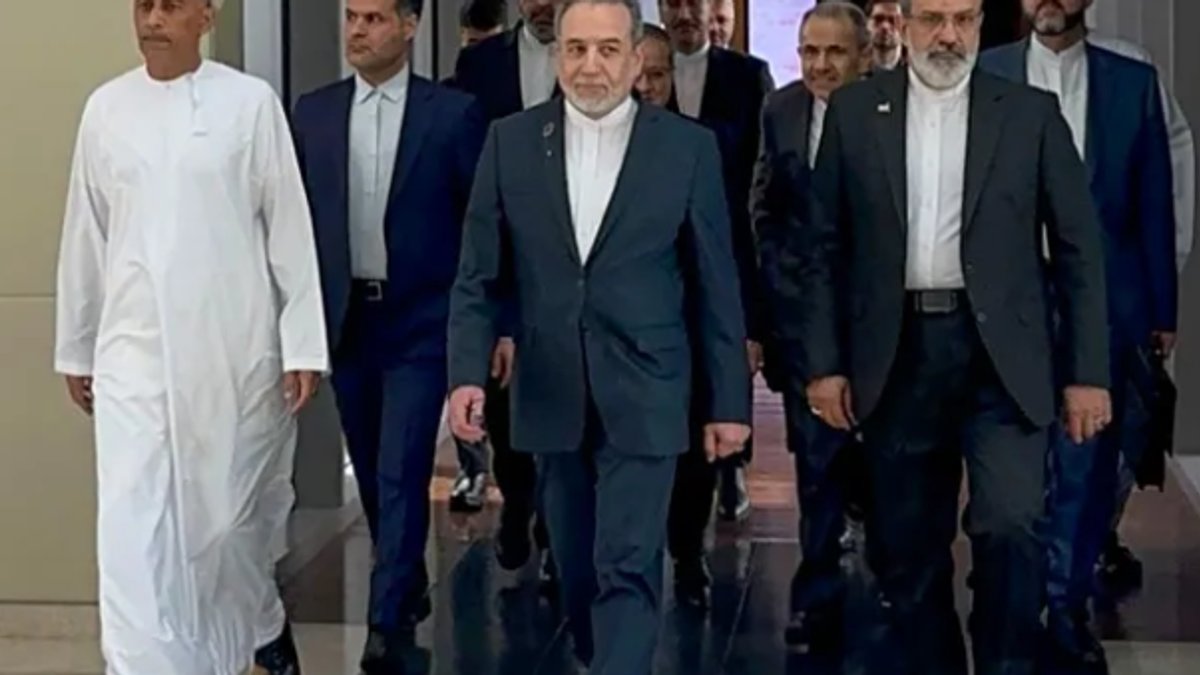
Iranian and U.S. negotiators concluded talks in Doha on Monday without resolving key disputes, yet Qatar continued to facilitate indirect communications as both sides exchanged demands over sanctions relief, control of the Strait of Hormuz, and nuclear negotiations. The discussions, which had stretched over eight months, had already disrupted global shipping lanes and tightened energy markets while increasing concerns about renewed military confrontation.
Iran’s Foreign Ministry acknowledged that messages were still being exchanged through Qatari intermediaries, though no formal agreement had been reached. A draft proposal had circulated among negotiators, and a follow-up session remained possible, according to an official briefed on the matter. Neither government publicly confirmed any movement toward compromise.
Tehran insisted that Washington must first end its blockade of Iranian ports, lift restrictions on oil sales, and cancel recent sanctions before nuclear talks could restart. The U.S. rejected this order of priorities, maintaining that nuclear issues must be settled first. Iranian Foreign Minister Abbas Araqchi stated that resolving the impasse depended on Washington’s “political rationality,” though he did not confirm any concessions on Tehran’s part.
Iran’s seven-step proposal from September serves as the foundation for negotiations, though officials suggested it could be streamlined into a two-day process if U.S. demands were met. The plan calls for removing port blockades, reopening the Strait of Hormuz, and allowing Iranian oil exports—all before addressing nuclear concerns. Iran has made it clear that nuclear discussions will not resume until these conditions are verified.
Read Also: AI Search Answers Reduce Value of Rankings
The Strait of Hormuz functions as the economic fulcrum in this dispute. This narrow passage between the Persian Gulf and the Arabian Sea carries a substantial portion of global oil and liquefied natural gas shipments. Disruptions in the area have already increased insurance premiums, slowed tanker traffic, and driven up crude prices. On Monday, Brent crude prices fell by over 4% as diplomatic optimism briefly tempered market fears, though no deal had yet been finalized.
Military tensions persist. A Qatari liquefied-natural-gas tanker was attacked by unidentified objects in the Gulf on Friday, though the crew escaped unharmed. The incident showed why securing navigation rights would have consequences far beyond the negotiating table.
China and Russia have both called for diplomatic solutions to the crisis. China’s Foreign Minister Wang Yi met with Iranian and Saudi officials in Beijing, urging protection of regional energy and shipping routes. Russia’s Foreign Ministry warned that further military action would destabilize the area, while Iran’s President Masoud Pezeshkian reaffirmed his commitment to resolving the crisis through dialogue.
Iran’s Foreign Ministry spokesman, Esmaeil Baghaei, reiterated that no final agreement could advance until Tehran’s core demands, sanctions relief and port access, were met. He also clarified that Iran had not agreed to transfer its stockpile of highly enriched uranium, a position Tehran has consistently maintained in past negotiations. Washington has not signaled any shift in its stance, with President Trump’s October remarks to Reuters suggesting the conflict would resolve “soon” without specifying how. The U.S. insistence on addressing nuclear issues first remains at odds with Iran’s precondition for sanctions relief, leaving the nuclear standoff unresolved.