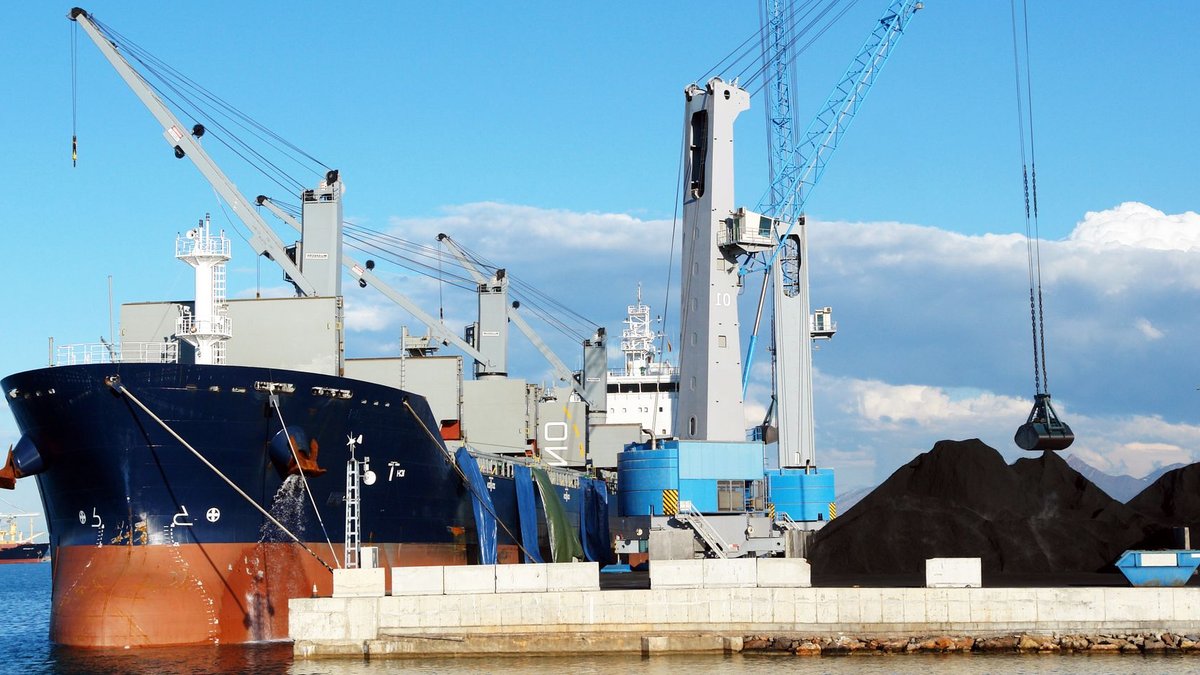
The dry bulk market is showing divergent trends among vessel classes, with the smaller Kamsarmax segment posting a noticeable rebound while larger Capesize rates stay steady. Shipbroker Xclusiv highlighted contrasting differences between the Kamsarmax and Ultramax segments in its latest weekly note.
Kamsarmax Earnings Rise
Based on Baltic Exchange data, the average Kamsarmax earnings index (P5TC) rose 5.7% week-on-week to USD 19,063 per day on 13 November, up from USD 16,999 at the end of October. The gain narrowed the earnings gap with Ultramax vessels.
Ultramax earnings (S11TC) reached USD 23,203 per day, reflecting a modest 1.1% weekly increase. The differential between the two classes fell from USD 6,570 per day on 30 October to roughly USD 4,140 per day, indicating improved conditions for Kamsarmax operators.
Despite the recent uptick, Kamsarmax earnings remain about 11.2% below their end-September levels, highlighting continued pressure on the segment. The gap reflects variations in cargo exposure, regional tonnage supply and trading flexibility across vessel sizes.
The class is heavily tied to coal and grain movements, whereas the larger vessels benefit from a broader cargo mix that includes minor bulks, fertilizers, steel products and agricultural goods. Their onboard cranes also allow service to ports with limited infrastructure.
Brazilian Soybean Exports Hit Record
Brazil’s soybean shipments for January-October 2026 hit a new high of 108.4 million tonnes, a 7.9% year-on-year increase. The ten-month total already exceeds the full-year 2025 volume by about 600,000 tonnes.
Read Also: NYK Launches World’s First Ammonia-Fueled Carrier
Second-quarter exports rose 10.3% to 44.9 million tonnes, while third-quarter volumes grew 8.1% to 29.7 million tonnes. These figures illustrate strong demand for Brazilian soybeans in global markets.
The surge is especially relevant for the Panamax/Kamsarmax and Supramax/Ultramax fleets that dominate agricultural commodity transport. China continues as the primary destination, and long-haul Brazil-Asia routes are likely to absorb vessel capacity for extended periods.
October shipments fell nearly 14% from September, reflecting the wind-down of the harvest season. Although annual export volumes are at record levels, the timing of shipments and available tonnage will influence short-term freight market strength.
The USDA projects Brazil’s 2026/27 soybean production at 186 million tonnes, with exports potentially reaching 118 million tonnes. If realized, these volumes could sustain dry bulk employment on long-haul routes to Asia during the upcoming season.
Winter coal demand in the Northern Hemisphere and North American grain movements may also support the class’s employment. However, higher electricity consumption does not automatically translate into increased seaborne coal imports when inventories are ample or domestic output meets needs.