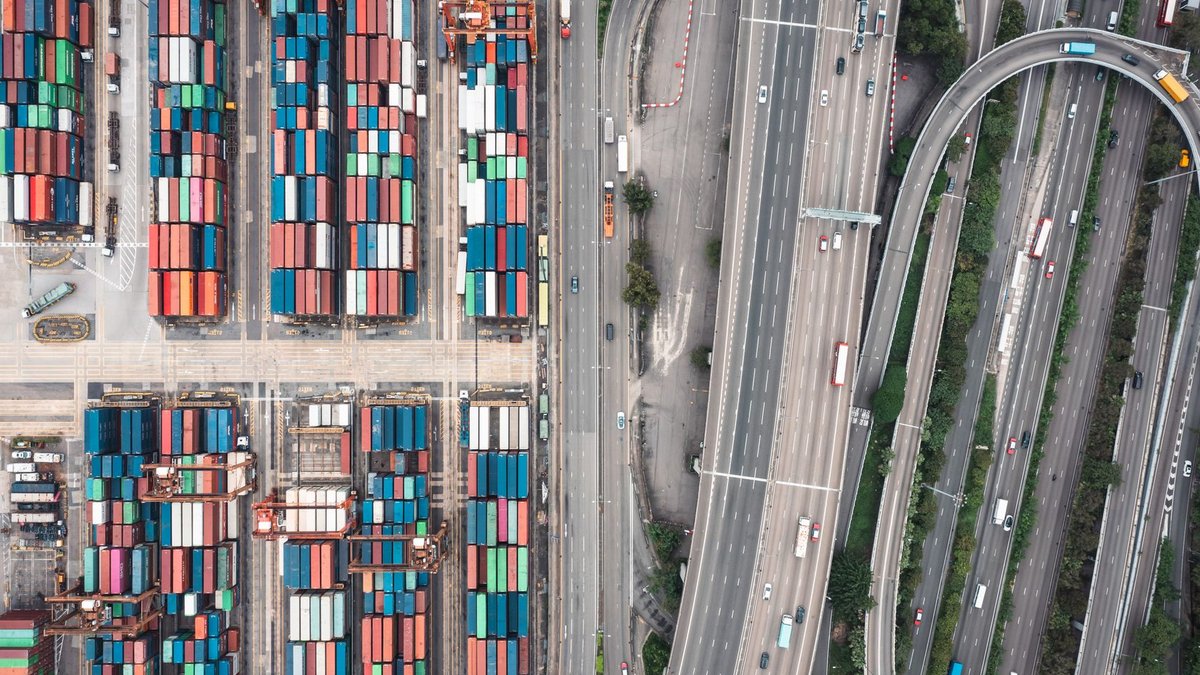
The International Chamber of Shipping (ICS) warned that rising geopolitical risks are threatening global trade and the principle of freedom of navigation during the Hong Kong Global Maritime Trade Summit.
Geopolitical tensions reshape trade flows
ICS Chairman John Denholm told more than 250 delegates that conflicts and unilateral measures are forcing a reshuffle of established trade lanes. He said the combination of geopolitical friction, competition between major economies, and regional regulation is creating “significant risks for global trade.”
He highlighted that the global economy is demanding a major energy transition from the shipping sector while still requiring reliable transport. The sector must continue to provide the reliable, affordable transport on which international commerce depends.
According to the chamber, about 90% of world trade by volume is carried by sea, meaning that the security and efficiency of maritime transport is inseparable from ensuring people across the world have food to eat, the essential goods needed to survive, and the energy to heat their homes.
Summit calls for partnership and resilience
Speakers included Paul Chan Mo-po, GBM, GBS, MH, JP, Financial Secretary of the Hong Kong SAR; Mable Chan, JP, Secretary for Transport and Logistics; Emma Roberts, Vice President Maritime and Supply Chain Excellence, BHP, Singapore; and Nick Brown, CEO, Lloyd’s Register, United Kingdom.
Related Post: FG partners agencies for national digital address system
Financial Secretary Paul Chan Mo-po said, “This year has shown how much change trade can absorb. To shape the changes ahead is a task for partnership. Hong Kong began as a harbour.
What it offers today is what stands behind the harbour: rules that endure, time that is saved, and services and people that add value to every voyage.”
Disruptions to established maritime routes, conflicts, and growing protectionism have demonstrated how quickly regional instability can translate into higher shipping costs, delayed deliveries, and pressure on supply chains around the world.
Secretary Mable Chan concluded, “Throughout today’s discussions under the theme ‘Handling Risk – Partnering for Resilience’, one truth has stood out: in an era of redrawn trade lanes, geopolitical friction and climate urgency, no single jurisdiction or sector can build supply chain resilience alone. Resilience is not merely about enduring disruption; it is about adapting through strategic partnership, shared investment, and forward-looking innovation.”
The summit ended with a call for continued dialogue and practical cooperation between governments and the maritime industry to safeguard freedom of navigation, protect seafarers, and ensure that international shipping can continue to support global economic prosperity.