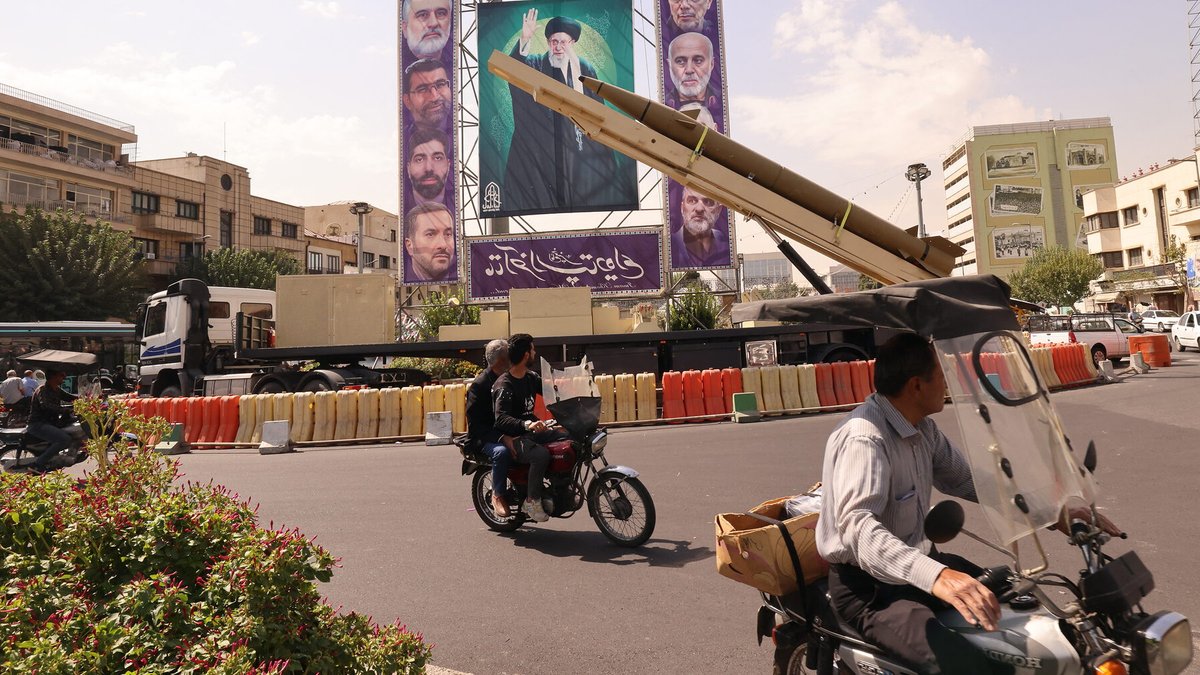
Iran has sustained its military supply chain through a covert system of more than 5,000 entities linked to its Ministry of Defense, according to a Reuters inquiry conducted with risk consulting firm 240 Analytics. These agencies, marked by MOD codes, have imported billions in equipment essential to its war efforts, including explosives precursors, rocket fuel chemicals, and missile parts. The findings reveal a sophisticated network that continues to operate despite U.S. sanctions and a naval blockade.
The operation’s scale emerged when one agency, MOD 346428, recorded $2.3 billion in imports between January 2025 and June 2026. Among its purchases were 435 trucks, heavy machinery, and electronics that can be adapted for weapons production. Though U.S. and Israeli airstrikes have repeatedly targeted Iranian missile and drone facilities since hostilities began on February 28, the network has persisted by diversifying its supply routes. Shipments arrived by sea across the Caspian Sea from Russia, by truck through Central Asia, and by cargo planes from China. Some records also indicated deliveries from Germany and other European Union countries, though Reuters could not confirm all contents.
The value of imports initially declined by 47% in March after the war’s start but recovered to $77 million in May, based on the records. In June alone, Iran received a $1.9 million shipment of Russian detonators, the fifth such delivery since January 2025, bringing the total to $7.6 million. Additional shipments included titanium, nitrocellulose, and industrial chemicals with dual-use applications, some of which serve as explosives or rocket propellants. The network’s financial operations rely on overseas intermediaries rather than conventional banking, with 36 agencies holding $1.2 billion in foreign currency by the end of 2024. The broader network controlled $1.8 billion in local currency.
Read Also: How to Choose the Right Gypsum Boards for Ceiling Installation
The agencies’ activities connect to Sahara Thunder, an Iranian entity sanctioned by the U.S. Treasury in April 2024 for supplying drones to Russia during its invasion of Ukraine. Transactions further traced back to Iranian bonyads, state-controlled foundations linked to the country’s leadership, including Bonyad Mostazafan, which the U.S. sanctioned in November 2020 for its financial and industrial networks.
The U.S. Treasury has argued that its sanctions have disrupted Iran’s economic networks. However, the investigation found that the network’s ability to adapt and exploit enforcement gaps remains evident despite ongoing efforts.