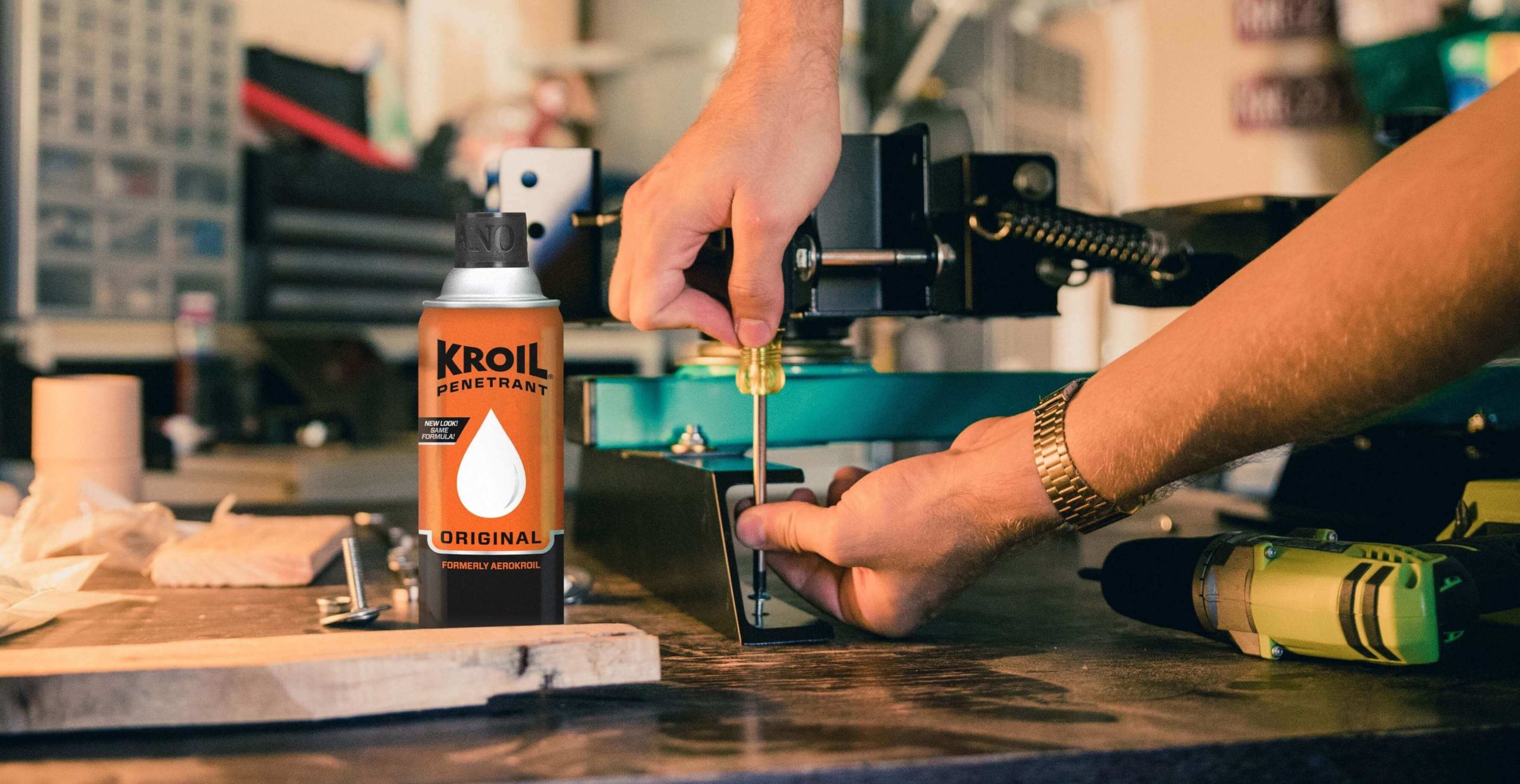
Many tasks involving mechanical assembly or maintenance eventually lead to a common challenge: the fastener that refuses to turn. Whether it is an automotive part, a piece of heavy machinery, or a backyard gate, hardware often binds together over time due to exposure to moisture, temperature fluctuations, and environmental contaminants. When a bolt or nut resists standard manual force, it is usually because corrosion has effectively bonded the threads together. Rather than applying excessive pressure, which can lead to broken bolts or stripped heads, using a proper spray to loosen bolts can facilitate the process.
Understanding the mechanics of seized fasteners
At the base level, the resistance you feel when trying to turn a bolt is a result of friction caused by oxidation or debris. When metal surfaces interact with the air and moisture, a chemical reaction occurs that creates a buildup of corrosion. This substance expands within the threads, essentially locking the components in place.
Mechanical force alone—like using a wrench—often works against this bond, but it also carries the risk of shearing the fastener. Instead, a thoughtful approach focuses on introducing a medium that can penetrate that tight, oxidized space. By applying a specialized liquid, you aim to provide lubrication and reduce the coefficient of friction, allowing the threads to move past one another without grinding or seizing further.
Preparing the site for effective treatment
Before you reach for a bottle of industrial penetrating oil, the surface requires a bit of attention. If the fastener is covered in loose dirt, loose rust flakes, or old grease, the liquid will struggle to reach the threads where it is needed most. Taking a wire brush to the exposed threads can remove surface-level debris and provide a cleaner path for the fluid to travel.
If the area is particularly grimy, a general-purpose cleaner may be necessary to ensure the liquid can migrate into the connection. In many cases, the effectiveness of the process is directly related to how well the fluid is allowed to seep into the gaps. If the bolt is positioned at an angle, gravity might pull the liquid away from the target; considering the orientation of the assembly is a simple step that often improves the outcome.
The importance of time and patience
A common mistake when using a spray to loosen bolts is attempting to force the turn immediately after application. In reality, these substances work through capillary action, which is a gradual process of moving through narrow spaces. The fluid needs time to work its way down the length of the threads.
Once applied, leaving the assembly to sit undisturbed allows the chemical properties of the lubricant to break down the surface tension of the corrosion. Depending on how long the bolt has been in place or the severity of the oxidation, this duration could be brief or could extend over several hours. For extremely stubborn cases, applying the fluid, letting it soak, and reapplying it again can often achieve better results than a single, heavier application.
Techniques to assist the penetration process
While the liquid is doing its work, there are ways to encourage the process further. Lightly tapping the head of the bolt with a mallet can sometimes create microscopic vibrations. These vibrations may help the fluid migrate deeper into the threads, breaking up the stubborn bond of rust more efficiently than fluid application alone. The goal is to provide just enough agitation to settle the lubricant into the tightest clearances of the connection.
Sustaining the results for future maintenance
Once the fastener has been successfully loosened and removed, the work is not quite finished. The same conditions that caused the initial seizure—moisture and atmospheric exposure—are likely to continue affecting the assembly. Simply putting the fastener back into place without intervention often leads to a recurrence of the problem the next time it needs to be accessed.
Cleaning the threads thoroughly after removal and before reinstallation is a standard practice for ensuring a smoother experience in the future. Applying a thread lubricant or anti-seize compound before tightening the bolt again can provide a lasting barrier against future oxidation. This proactive step creates a form of insurance, ensuring that the next time someone needs to loosen that hardware, it will respond to standard tools with significantly less resistance.
The process of maintaining mechanical assemblies is a cycle of recognition, intervention, and prevention. By understanding that seized hardware is often a result of environmental accumulation rather than just a lack of strength, you can approach these tasks with more patience and better tools. Using an appropriate industrial penetrating oil as part of a careful, step-by-step technique turns a potential breakdown into a manageable maintenance task, preserving the integrity of the components while getting the job done safely.