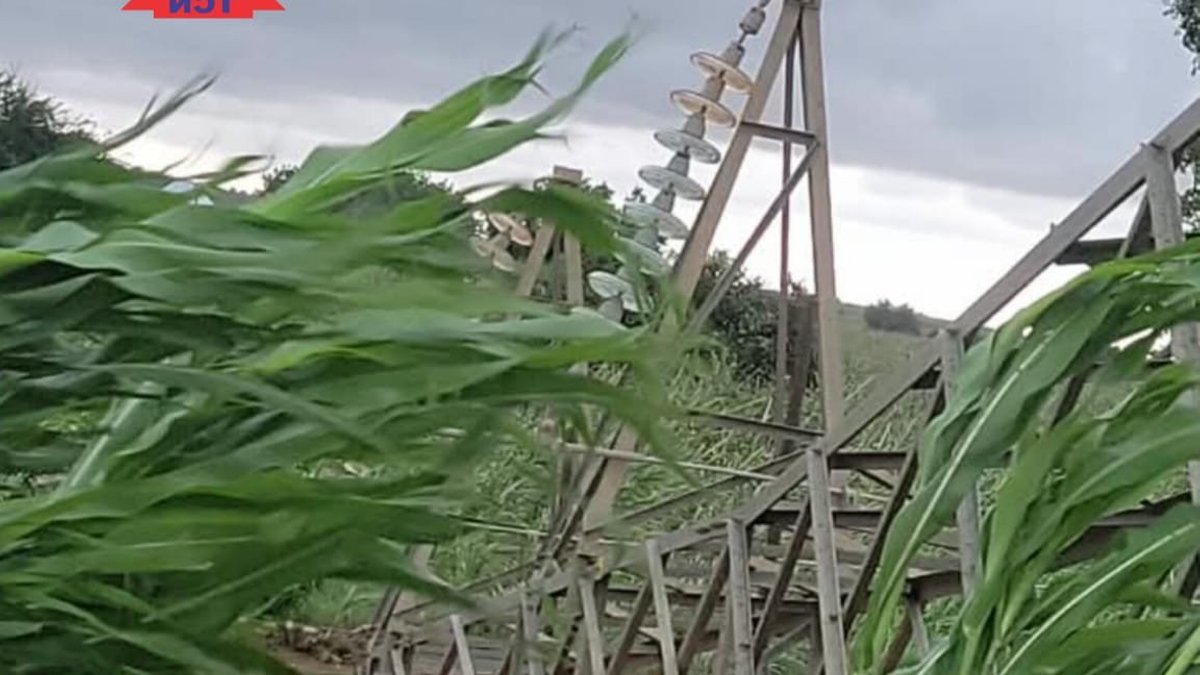
On August 26, 2026, the Transmission Company of Nigeria announced a Force Majeure declaration after a heavy rain and windstorm caused three transmission supports to collapse at Chibike Village, cutting the 132 kV Birnin Kebbi–Niamey corridor.
Collapse disrupts cross‑border power flow
At 17:38 hrs the conduit tripped, and a brief attempt to restore it at 18:03 hrs failed, prompting an immediate second outage. A fault‑finding patrol later identified the fallen structures as units T109, T110 and T111. Their loss halted bulk electricity transfer to the capital of Niger.
The company’s statement said the structures gave way under the intense precipitation and gusts recorded in the area.
Legal provision invoked amid repairs
Under the contractual definition, a Force Majeure clause can relieve parties from performance when extraordinary events beyond reasonable control occur. This legal step signals that the operator does not accept liability for the interruption while it works to rebuild.
Related: Tinubu reforms boost local makers, pressure importers
In response, the utility mobilised crews, equipment and temporary materials to the site. Engineers are assessing the damage and planning a phased reconstruction that will prioritize safety checks before energising the corridor again.
Officials expressed regret for the inconvenience to customers in the neighboring country, assuring that every effort is being made to restore normal supply promptly. The outage also affects downstream substations that rely on the line for stable voltage levels.
Repair timelines remain uncertain. The speed of restoration will hinge on material availability, weather conditions and the thoroughness of safety inspections.
Earlier this year, the utility declared a similar Force Majeure on two Lagos‑area substations after flooding damaged key components.
Maintenance schedules have also been adjusted to avoid peak rainy periods, with planned outages announced months in advance to minimise surprise disruptions.
Related: Trump criticizes oil companies over high profits
In practice, the collapse means that households and businesses in Niamey will experience reduced power availability until alternative routes are re‑energised or the damaged segment is fully repaired. Backup generators may see higher demand as a result.
For residents near the failure point, the loss of service could translate into longer cooking times, limited refrigeration and challenges for small enterprises that depend on steady electricity.
Meanwhile, the transmission company continues its broader network upgrades, including a turn‑in‑turn‑out connection on a northern high‑voltage line and the commissioning of a new transformer in the Lekki corridor last year.
Authorities have not set a definitive completion date, but updates will be issued as work progresses and safety clearances are achieved.