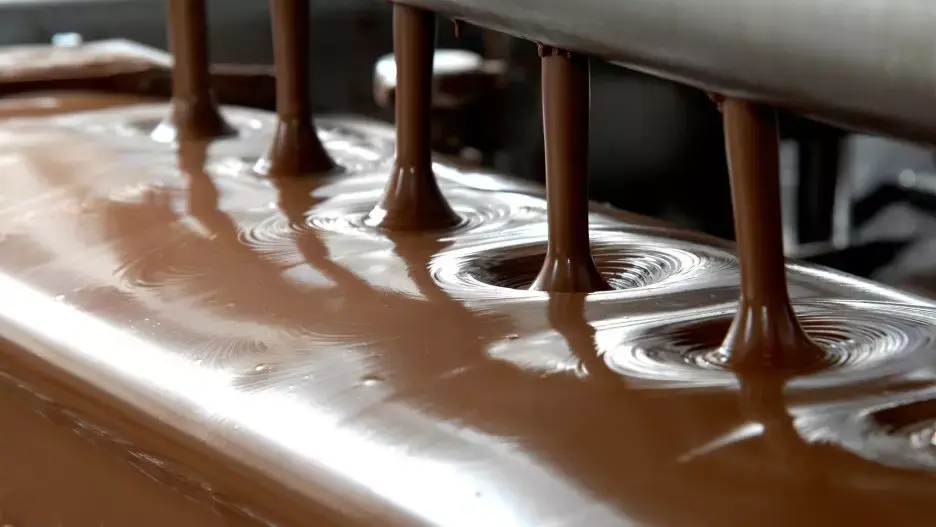
Industrial systems that manage high-viscosity or sensitive materials often rely on specialized equipment to ensure consistent flow without compromising the integrity of the product. Whether a facility processes food-grade items or handles complex industrial fluids, the mechanism used to move these substances must be carefully selected. Among the common options are chocolate pumps and the progressive cavity pump, both of which are designed to manage challenging fluid dynamics with precision.
Understanding these systems is not about mastering complex engineering overnight, but rather about recognizing how their design directly impacts operational longevity and output quality. These systems are typically chosen because they provide a stable, non-pulsing flow, which is a critical requirement for many delicate manufacturing environments.
The Role of Positive Displacement in Fluid Transfer
The foundational mechanism behind these systems is positive displacement. Unlike centrifugal pumps that accelerate fluid through kinetic energy, positive displacement systems work by trapping a fixed volume of fluid and forcing it through the discharge port.
This mechanism is particularly beneficial for materials that have a thick consistency or contain sensitive components that could be damaged by high-shear forces. In a progressive cavity pump, this is achieved through a helical rotor turning inside a stator. The interaction creates sealed cavities that move the material from the intake to the discharge. This design ensures that the material is moved gently, which prevents agitation, heat buildup, or structural damage to the medium.
When applied to specialized uses like chocolate pumps, this low-shear operation is essential. Cocoa butter and other chocolate mixtures are sensitive to temperature and physical stress. Excessive heat or mechanical friction can alter the viscosity or texture, leading to an inconsistent end product. By choosing a pump that maintains a gentle flow, operators can preserve the delicate characteristics of the substance while maintaining efficient production rates.
Initial Setup and Early Operational Considerations
When first integrating these pumps into a production line, the focus should be on proper installation and alignment. Because these systems rely on tight internal tolerances to maintain pressure and flow, even minor misalignments can lead to premature wear.
A common consideration during the startup phase is ensuring that the pump is properly sized for the intended application. If a pump is undersized, the motor may work harder than necessary, leading to increased wear on internal components. Conversely, a pump that is significantly oversized for the application might run at a speed that is too low to maintain the desired flow characteristics, potentially resulting in inefficient operation.
Consulting with technical specifications and ensuring the pump is compatible with the specific viscosity of the material being moved is a key early step. During this period, operators should also monitor the pump’s behavior during standard operation. Consistent performance, steady discharge pressure, and the absence of unusual vibrations are indicators that the installation is within the expected parameters.
Monitoring Performance Changes and Wear Patterns
As the equipment continues to operate, the internal components—specifically the rotor and stator—will naturally experience gradual wear. In a progressive cavity pump, this wear is typically manifested as a loss of volumetric efficiency. The internal seals between the rotor and stator may begin to allow some backflow, which means the pump may need to rotate faster to maintain the same output.
Operators can often detect these shifts by observing changes in the system’s performance over time. For example, if the motor begins drawing more power to achieve the same flow rate, or if the pressure gauge shows an increasing inconsistency, it may be an indication that the internal components are approaching the end of their service life.
With chocolate pumps, the nature of the material itself adds another layer of consideration. Because the substance can solidify if the temperature drops, managing the thermal environment of the pump is just as important as managing the mechanical parts. Ensuring that heating jackets are functioning correctly and that the pump is cleared appropriately during downtime helps prevent blockages that could lead to increased stress on the internal mechanisms.
Sustaining Results Through Proactive Maintenance
The long-term reliability of these systems is typically tied to a routine maintenance schedule that emphasizes inspection over reactive repair. Instead of waiting for a total system failure, a proactive approach involves regularly evaluating the condition of the rotor and stator, inspecting seals for signs of leakage, and ensuring that the drive system is properly lubricated and aligned.
One common practice is to track the performance of the system against baseline metrics recorded during the first few weeks of operation. If a gradual decline in flow rate is observed, maintenance teams can plan for component replacement during scheduled downtime. This prevents the cost and disruption associated with emergency repairs, which are often significantly more expensive and logistically difficult.
Additionally, keeping a set of standard spare parts—such as seals, rotors, and stators—on hand allows for faster turnaround times. Because the wear on these components is generally predictable based on the material being pumped and the operational hours, it is often possible to anticipate when a replacement will be needed.
Looking Toward Long-Term Efficiency
Sustaining high performance in fluid handling is an evolving process. As production requirements change or as the facility’s output needs shift, the way the equipment is used may also need to adapt. This might involve adjusting motor speeds, optimizing the temperature control settings for the material, or updating maintenance cycles to match the actual usage intensity of the machinery.
The goal is to foster a system that operates reliably with minimal intervention. By paying attention to the relationship between the pump’s internal mechanics and the specific requirements of the material being handled, businesses can establish a stable foundation for their production processes. Whether utilizing a progressive cavity pump for industrial applications or relying on the specialized design of chocolate pumps for food production, the focus remains on gentle material handling and consistent mechanical oversight.
Ultimately, success in this area is defined by the ability to manage the interplay between mechanical equipment and material properties. Consistent care and a clear understanding of how these pumps function over time allow for a smoother, more efficient operation that supports long-term goals without unnecessary interruption or unexpected maintenance costs.