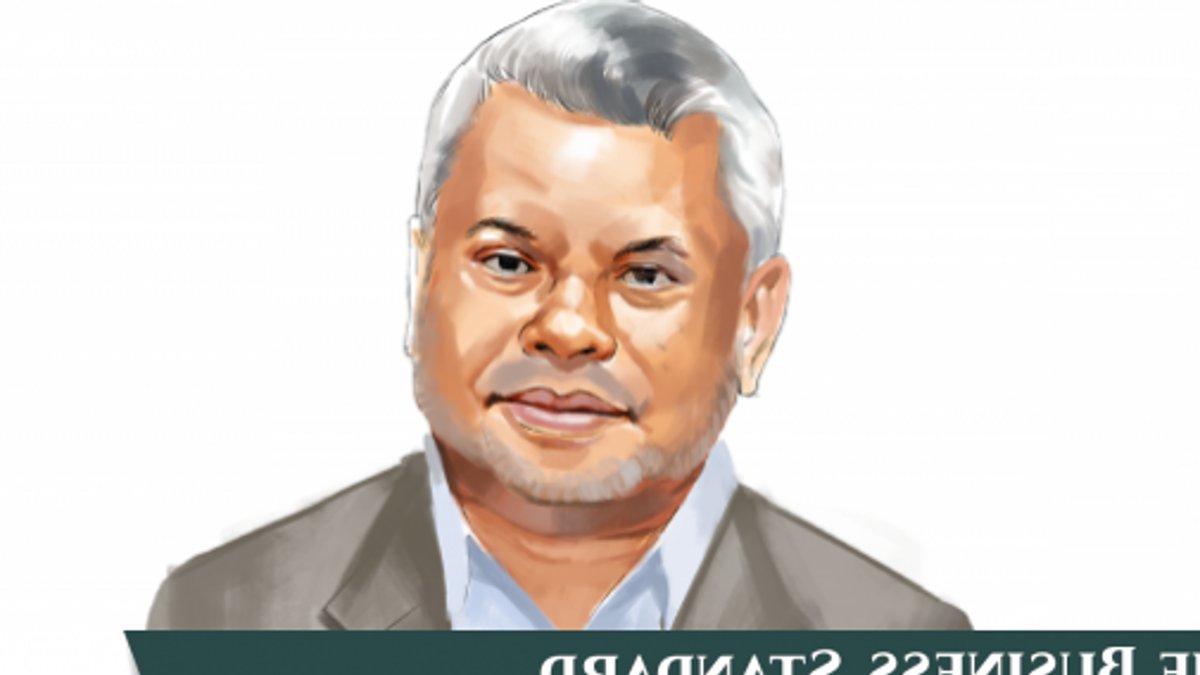
Bangladesh’s trade and industrial growth is hindered by bureaucratic harassment, customs delays, and rising port tariffs, according to Mohammed Amirul Haque, the newly elected Chittagong Chamber of Commerce and Industry (CCCI) president.
He outlined the reforms needed to restore Bangladesh’s trade competitiveness in an interview.
Reforms and Challenges
The prime minister and ministers appear committed to reforms, but the real test is implementation, Haque said.
A wide gap exists between policy promises and the realities on the ground, he believes.
Customs assessments take eight to 10 days, while port demurrage starts after just four days, meaning businesses begin paying penalties from the fifth day.
This discrepancy highlights the need for a more efficient and streamlined process, one that takes into account the needs of businesses and the economy as a whole.
Customs and Port Difficulties
These delays significantly increase the cost of doing business, Haque noted.
Chattogram port earns around Tk6,000 crore a year, yet tariffs have risen by more than 400% without a clear justification.
Port charges should be based on actual costs, but businesses are never shown how those costs are calculated, he said.
A modern port cannot be run without professional expertise, including chartered accountants and supply chain specialists.
In addition to these technical skills, effective management and leadership are also essential for ensuring the smooth operation of the port and customs systems.
Need for Consultation
There is a serious lack of consultation between port authorities and business leaders, Haque said.
The port authorities rarely engage with the FBCCI, the CCCI, International Chamber of Commerce, or the BGMEA, despite the apparel sector generating around $48 billion in exports.
Related: Polish clothing giant halts Bangladesh sourcing over $40m
Business representatives often cannot meet the chairman, while decisions are imposed without adequate explanation or legal basis.
Customs officials do not comply even with court orders, Haque alleged.
This lack of accountability and transparency undermines the trust and confidence of businesses in the customs and port systems.
Proposed Reforms
The government must overhaul the entire system and decide whether Chattogram Custom House should be fully automated or restructured, Haque proposed.
He suggested a “one-page licence” combining the trade licence with import and export certificates, so businesses no longer have to visit multiple offices for separate approvals.
Policymakers should engage regularly with business leaders and listen to their concerns firsthand, Haque said.
This approach has been successful in countries like Singapore, Malaysia, and India, where leaders regularly consulted the private sector while pursuing major economic reforms.
By engaging with business leaders, the government can gain a better understanding of the challenges on the ground and work towards implementing effective reforms.
It’s likely that such engagement will lead to more effective implementation of reforms, as business leaders can provide valuable insights into the realities of doing business in Bangladesh.
Haque’s experience in working on automating Chattogram Customs House in 2007-08 has given him a unique perspective on the potential benefits of reform, and he believes that similar efforts could have a significant impact on the economy.
The example of Pakistan, where customs assessments for Karachi are conducted centrally from Islamabad, with consignments assessed remotely, eliminating opportunities for undue influence, is an interesting one, and could potentially be applied to the Bangladeshi context.
Ultimately, the key to successful reform will be a willingness to listen to and work with the private sector, and to prioritize the needs of businesses and the economy as a whole.