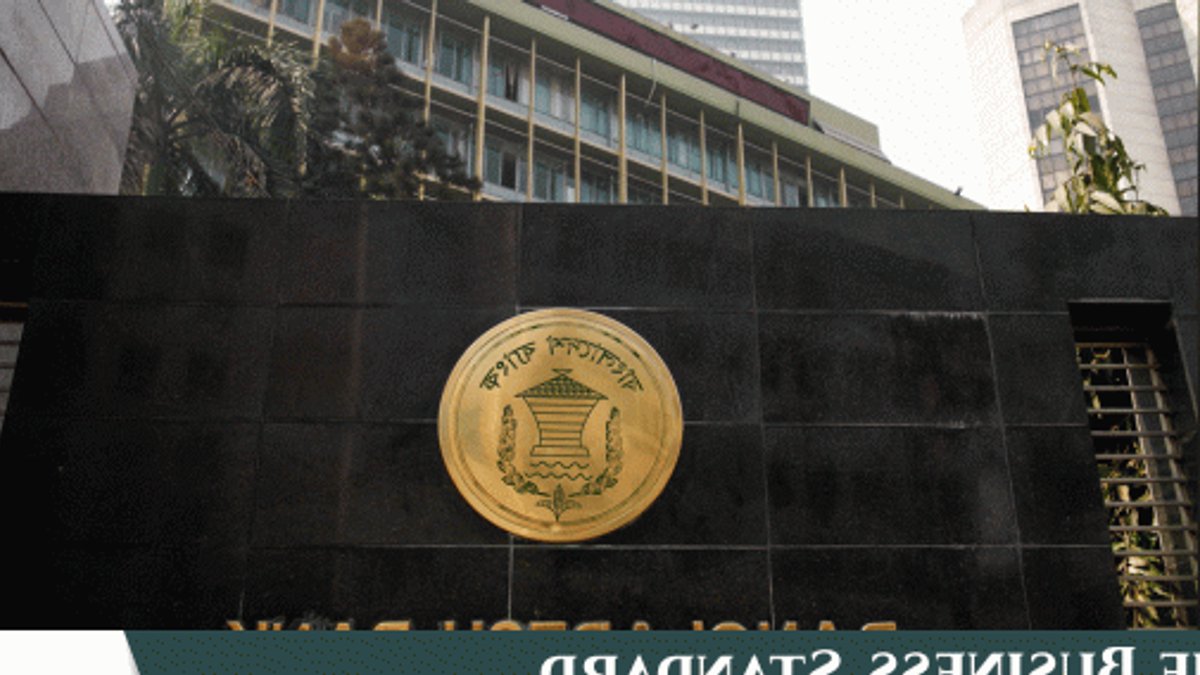
Major banks in Bangladesh have lowered deposit rates by 50 to 100 basis points since early August, pushing deposit returns further below inflation and eroding savers’ purchasing power.
Rate cuts follow central bank policy shift
The adjustments come after Bangladesh Bank reduced its policy rate from 10 % to 9.5 % and imposed caps on interest‑rate spreads. Lenders have responded by trimming both lending and deposit rates. According to the latest banking sector update, deposit yields slipped to a range of 8.5 %‑9 %, down from the 9 %‑10.15 % offered through July.
With overall inflation recorded at 9.16 % in June, the new deposit rates translate into negative real returns. Bank officials note that the move reflects excess liquidity and weak private‑sector credit demand, which lessen the need for fresh deposits.
“High deposit rates create massive future liabilities, which is why banks are moving to lower their cost of funds,” said a senior executive at a private commercial bank. He added that softer yields on Treasury bills and government bonds have squeezed margins, reducing the incentive to offer 10 % returns on one‑year deposits.
Related: Reforms need business leader input regularly
Bankers warn of potential savings slowdown
Syed Mahbubur Rahman, managing director of Mutual Trust Bank, explained that abundant liquidity and healthy deposit growth have lessened banks’ appetite for high‑rate deposits. “Currently the interest rates on Treasury bills and bonds are lower than before. Banks have excess liquidity, and deposit growth is good. I think deposit interest rates will fall below the inflation rate,” he said.
Mohammad Ali, managing director of Pubali Bank, echoed the sentiment, noting that previously attractive rates had spurred deposit growth but that “leading commercial banks now have excess liquidity and weak credit demand,” prompting a reduction in rates.
Looking ahead, the sustained gap between deposit returns and inflation could discourage new savings if the trend continues. Yet, many depositors still prioritize safety over yield, keeping overall deposit levels relatively stable for now.