

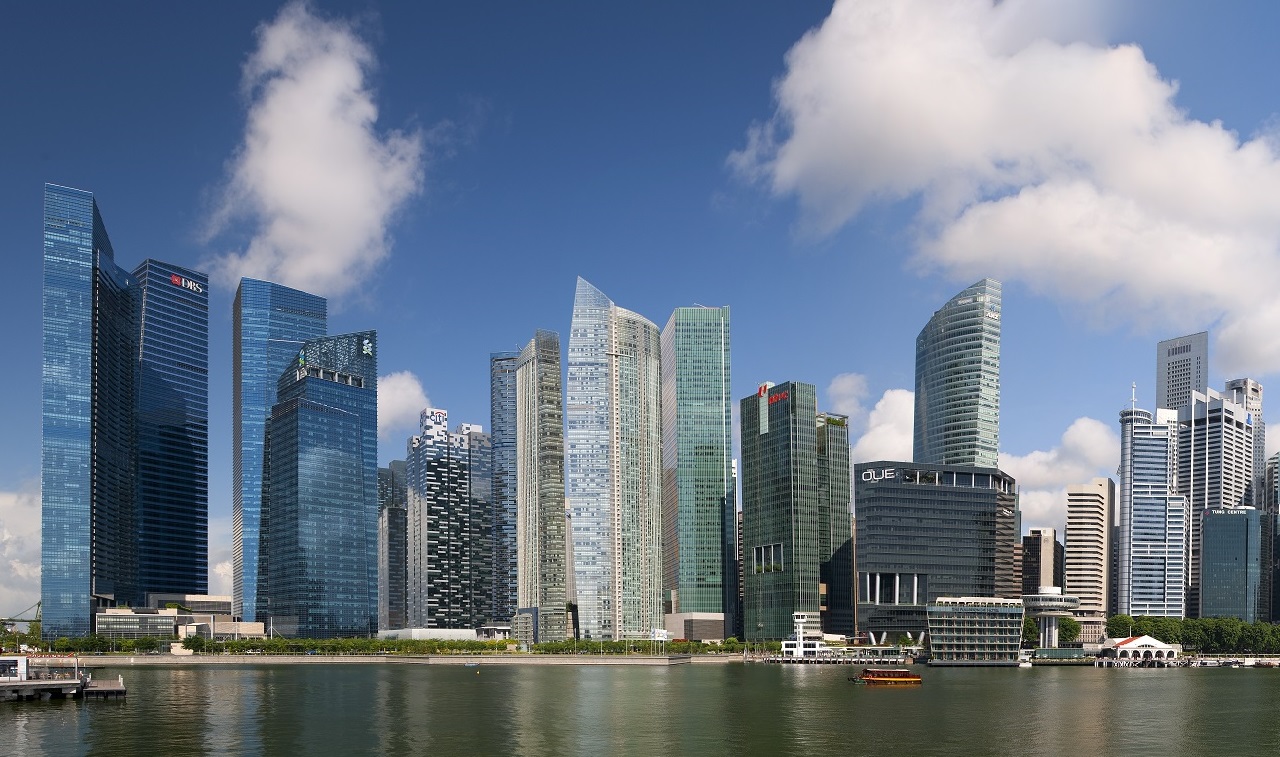
The Singapore rental market has gone through significant shifts over the past few years, moving from tight supply conditions to a more balanced environment. In 2026, rental demand remains strong in selected segments, but the dynamics have become more nuanced, with tenant expectations rising and supply gradually improving.
For investors, understanding rental market direction is critical because it directly impacts cash flow stability and overall investment performance.
Current State of the Rental Market
The rental market in Singapore is influenced by both local and foreign demand. While expatriate inflows remain a key driver, local mobility, job relocation, and education-related demand also contribute significantly.
Compared to previous years of rapid rental spikes, 2026 is showing more stabilization. Rents are still relatively high, but growth has slowed as more supply enters the market.
This creates a more competitive environment for landlords, especially in areas with multiple new developments.
Tenant Expectations Are Rising
Modern tenants are more selective than ever. They are no longer just looking for a place to stay—they expect comfort, convenience, and lifestyle features.
Key expectations now include:
- Proximity to MRT stations
- Fully functional amenities
- Smart home features
- Flexible layouts for remote work
- Well-maintained common facilities
Developments such as Lucerne Grand are positioned to meet these expectations by offering modern facilities and strong accessibility, making them attractive to a wide tenant pool.
Impact of New Supply on Rental Demand
One of the key factors shaping the rental market is the increasing supply of new residential units. As more projects complete construction, tenants have more options to choose from.
This increased competition can put pressure on rental prices in certain districts, especially where supply is concentrated.
However, well-located properties with strong connectivity tend to remain resilient even in higher-supply environments.
Expatriate Demand and Market Stability
Expatriate tenants remain one of the most important segments in Singapore’s rental market. Their demand is closely tied to global business activity, employment trends, and corporate relocations.
When multinational companies expand operations in Singapore, rental demand typically strengthens.
Conversely, global economic uncertainty can temporarily reduce expatriate inflows, affecting high-end rental segments more than mass-market units.
Rental Yield Compression Trends
As property prices have increased over time, rental yields in Singapore have generally compressed. This means that while rental income may be stable or rising, it does not always keep pace with capital values.
Investors must therefore balance expectations between cash flow and long-term appreciation.
Suburban and mid-market properties tend to offer more stable yields compared to prime luxury segments.
Location Still Drives Rental Performance
Despite evolving market conditions, location remains the most important factor in rental success. Properties near MRT stations, business districts, and educational institutions consistently outperform others.
Accessibility reduces vacancy risk and improves tenant retention.
Developments such as Island Residences benefit from strategic positioning that supports consistent rental demand across different tenant groups.
Furnishing and Rental Competitiveness
In a competitive rental market, furnishing plays a key role in attracting tenants. Fully or partially furnished units tend to lease faster, especially among expatriates and short-term tenants.
However, over-investing in furnishings may not always yield proportional returns. A balanced approach is required to maintain cost efficiency.
Professional presentation and maintenance also significantly influence rental success.
Short-Term vs Long-Term Rental Strategy
Investors must decide between short-term flexibility and long-term stability. Short-term leases may offer higher rental rates but come with more frequent vacancies and turnover costs.
Long-term leases provide stability but may limit rental adjustment flexibility during rising markets.
Most investors in Singapore prefer long-term tenancy due to regulatory structure and market stability.
Government Policy Influence on Rentals
Government policies indirectly influence rental demand through housing supply, immigration controls, and employment regulations.
For example, changes in foreign workforce policies can affect expatriate demand, while new housing supply impacts rental competition.
While the rental market is generally stable, policy shifts can create short-term fluctuations in demand.
Emerging Rental Hotspots
Certain districts continue to emerge as rental hotspots due to infrastructure development and decentralization strategies.
Areas near new MRT lines, business hubs, and integrated townships are seeing growing tenant interest.
These areas often attract young professionals and families seeking convenience and affordability.
Investment Strategy for Rental Market
Successful rental investors focus on:
- Strong location fundamentals
- Sustainable tenant demand
- Efficient property management
- Balanced entry pricing
Properties such as Lucerne Grand and Island Residences are often considered in this context due to their ability to attract consistent tenant interest.
Final Thoughts
The Singapore rental market in 2026 is stable but increasingly competitive. While demand remains strong, especially in well-located areas, rising supply and higher tenant expectations are reshaping the landscape.
Investors who adapt to these changes by focusing on quality, location, and tenant experience will continue to perform well.
Rental investment success is no longer just about owning property—it is about understanding evolving tenant behavior and market structure.