

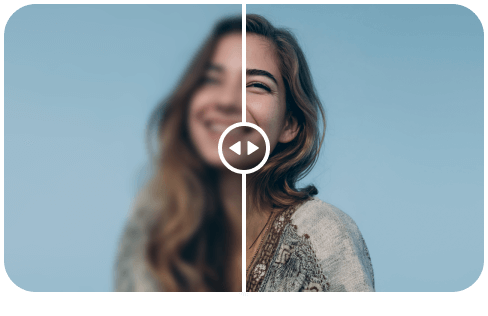
In today’s visual-centric digital landscape, the quality of your imagery can make or break a brand’s reputation. Whether you are a photographer, a digital marketer, or an e-commerce business owner, presenting crisp, high-resolution visuals is no longer optional—it is a necessity. However, not everyone has the time or the advanced technical skills to master complex software like Adobe Photoshop. This is where the need to enhance image quality using specialized online tools becomes a game-changer for professionals.
Why Image Enhancement Matters for Professionals
Low-quality, pixelated, or blurry images signal a lack of professionalism. When a potential client visits your website or social media profile, they subconsciously equate the quality of your visuals with the quality of your services. High-resolution images:
- Increase Conversion Rates: In e-commerce, clearer product photos lead to higher trust and more sales.
- Improve Brand Perception: Sharp visuals convey attention to detail and authority.
- Enhance User Experience: High-quality images look better on high-definition retina displays and mobile devices.
The Rise of AI-Powered Image Enhancers
The traditional method of manual retouching is being rapidly replaced by Artificial Intelligence (AI). Modern online enhancers use deep learning algorithms to “understand” the content of an image. Instead of just stretching pixels—which often results in a blurry mess—AI-powered tools actually reconstruct missing details, reduce noise, and sharpen edges intelligently.
For professionals working on tight deadlines, using an online platform to enhance image quality offers a perfect balance between speed and professional-grade results. You can upscale small assets for print or recover details from a shot taken in poor lighting conditions within seconds.
Key Features to Look For
When choosing the best online image enhancer, professionals should look for the following capabilities:
- AI Upscaling: The ability to enlarge an image by 2x, 4x, or even 8x without losing clarity.
- Noise Reduction: Effectively removing “grain” from photos taken in low-light environments.
- Color Correction: Automatically balancing exposure and saturation to make the photo “pop.”
- Batch Processing: The ability to handle multiple images at once to save time.
How to Get the Best Results
To achieve the best possible outcome, start with the highest resolution file you have available. While AI is powerful, it works best when it has a solid foundation of data to analyze. Once processed, always export your images in a lossless format like PNG for web use or high-quality JPEG if file size is a concern for site speed.
In conclusion, you don’t need a massive budget or a degree in graphic design to produce world-class visuals. By leveraging the right online tools, you can ensure every piece of visual content you publish is sharp, professional, and impactful.