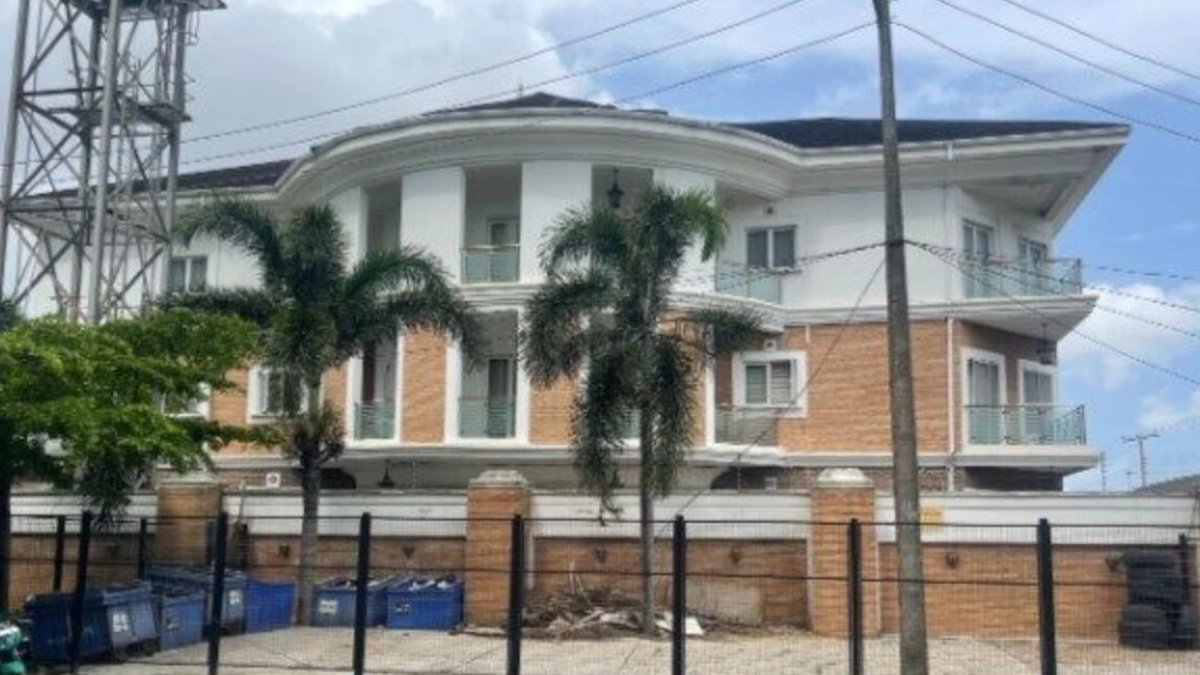
Victoria Island is expected to deliver more than 602 residential units in 2026 as developers continue to expand housing supply across the district. This is according to a report by real estate market intelligence platform, Estate Intel, titled Residential Pipeline Activity in Victoria Island July 2026.
The report identified more than 2,850 residential units in Victoria Island’s development pipeline across five districts: North-West Victoria Island, North-East Victoria Island, Core Victoria Island, South-West Victoria Island and South-East Victoria Island.
Estate Intel’s data shows that 47.1% of Victoria Island’s residential pipeline is at the conceptual or early site work stage, while 43.5% is under construction and 9.4% is at the implementation stage.
While almost half of the planned residential supply is yet to progress beyond the early stages of development, a similarly large share is already under construction and could add significantly to the district’s housing stock over the coming years.
North-West Victoria Island currently accounts for the highest concentration of pipeline developments.
The district is bounded by Ozumba Mbadiwe Avenue to the north, Akin Adesola Street to the east, Adeola-Odeku Street to the south and Ahmadu Bello Way to the west.
Estate Intel noted that the revised Victoria Island Model City master plan has provided a broader development focus beyond Core Victoria Island, covering the North-West, North-East, South-West and South-East districts.
The average land price in Victoria Island is N3.05 million per square metre, equivalent to about $2,238 per square metre.
Residential projects across Victoria Island are at various stages from conceptual planning and early site work to active construction.
North-West Victoria Island has the highest concentration of identified projects, including Hebron Tower, Ivie Tower and Reportage Tower, which are at the conceptual or early site work stage.
The expected delivery of more than 602 units comes amid a significant housing supply gap and rising residential costs across Lagos.
Related: Polish clothing giant halts Bangladesh sourcing over $40m
A separate housing and capital market report presented at a GTI Investment Group forum in August 2026 estimated that Lagos’ housing deficit rose from 2.95 million units in 2016 to 3.4 million units in 2025, representing a 15% increase over the period.
Lagos requires about N6 trillion annually to bridge its housing capital gap, highlighting the scale of financing needed to expand housing supply across the state.
Victoria Island remains one of Lagos’ most expensive rental markets.
Findings presented at the forum put the average annual rent for a two-bedroom apartment in the district at N18 million, although reported rents ranged from N3 million to more than N50 million.
Developers will likely focus on high-value projects, which could further exacerbate the affordability issue for residents.
However, with the right financing and investment, the housing supply gap could be bridged, and more affordable options could become available.
The state’s housing deficit of about 3.4 million units highlights the need for increased private-sector participation and long-term financing to expand supply.
Experts at the GTI Investment Group housing forum called for greater institutional financing through pension funds, national digital address systems, bonds, asset-backed securities and mortgage-backed instruments to channel more long-term capital into housing development.
The widening gap between rents and household incomes remains a major affordability challenge.
Research presented at the forum found that some Lagos residents spend between 60% and 70% of their income on rent, while a two-bedroom apartment could consume as much as 97% of the monthly income of a worker earning N300,000.