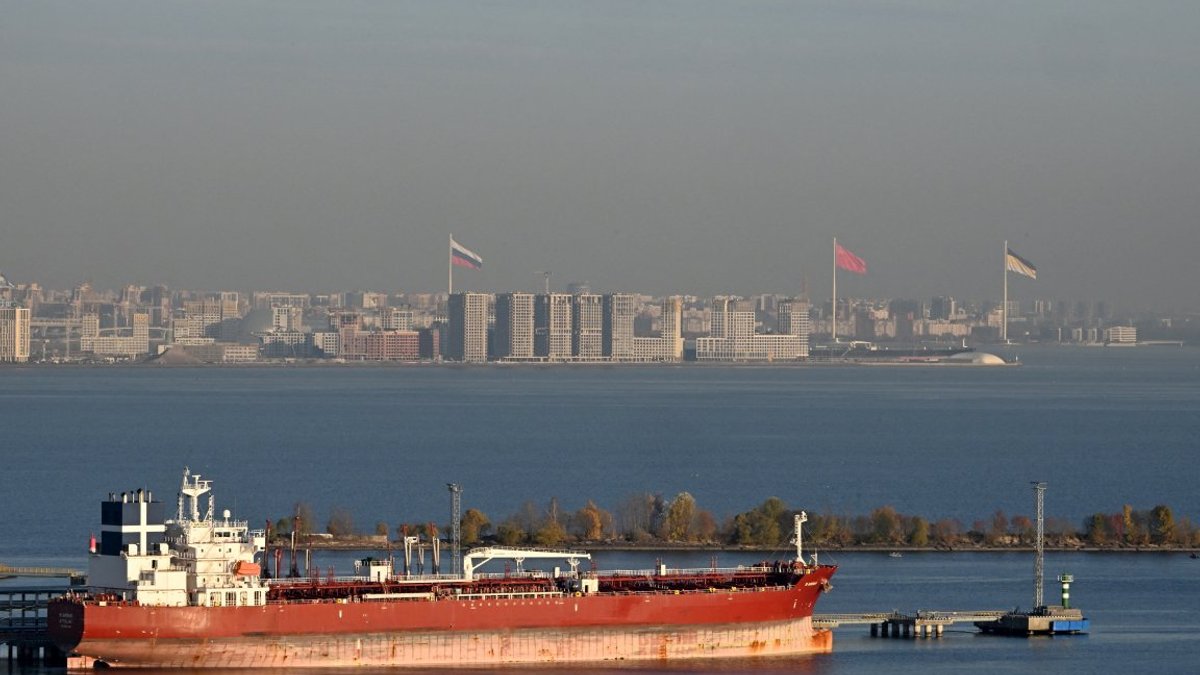
A Russian diesel shipment is now en route to New York after former President Donald Trump and President Vladimir Putin reached a deal to expand fuel exports. This would be the first time the U.S. has imported Russian petroleum products since implementing restrictions in 2022.
The Malta-registered vessel Agioi Fanendes took on 40,000 metric tons of ultra-low sulfur diesel at Russia’s Baltic port of Primorsk on October 22. The cargo is expected to dock on November 7, though the identities of the buyer and seller remain undisclosed.
Trump revealed on October 9 that Russia would allocate an initial 300,000 metric tons, roughly 2.25 million barrels, of diesel to global markets, including the U.S. Additional deliveries of 500,000 tons are planned for November, followed by 1 million tons soon after.
The deal’s stated purpose is to alleviate surging fuel costs before the November 3 congressional elections, particularly for diesel-dependent sectors like trucking, farming, and construction. These industries stand to gain from the expanded supply.
On October 9, the U.S. Treasury’s Office of Foreign Assets Control released General License 135, granting temporary approval for transactions involving Russian-sourced diesel. The waiver, valid until April 7, 2027, allows restricted sales, deliveries, and imports that would otherwise violate U.S. sanctions.
Read Also: Rent stagnant but late payments rise sharply among U.S. tenants
Russian Deputy Prime Minister Alexander Novak indicated more shipments would follow once commercial contracts are finalized. By late 2026, Moscow projects its monthly diesel exports could rebound to between 3 million and 3.5 million metric tons, potentially stabilizing global markets.
As of October 19, the national average diesel price hit $6.276 per gallon, up from $3.620 a year prior, according to the U.S. Energy Information Administration, a 73% increase over 12 months. Rising costs have strained logistics, agriculture, and manufacturing, where diesel remains a critical operational expense.
Beyond this agreement, the Trump administration has taken steps to ease pressure, including an October 5 executive order suspending certain federal diesel fuel taxes through December. However, experts caution that new imports alone may not immediately lower retail prices.
The EIA’s October forecast, issued before the Russia deal, still anticipated diesel prices staying above $6 per gallon in October before easing as supply constraints ease. Analysts note that while imports could help, market adjustments will take time to reflect in consumer costs.