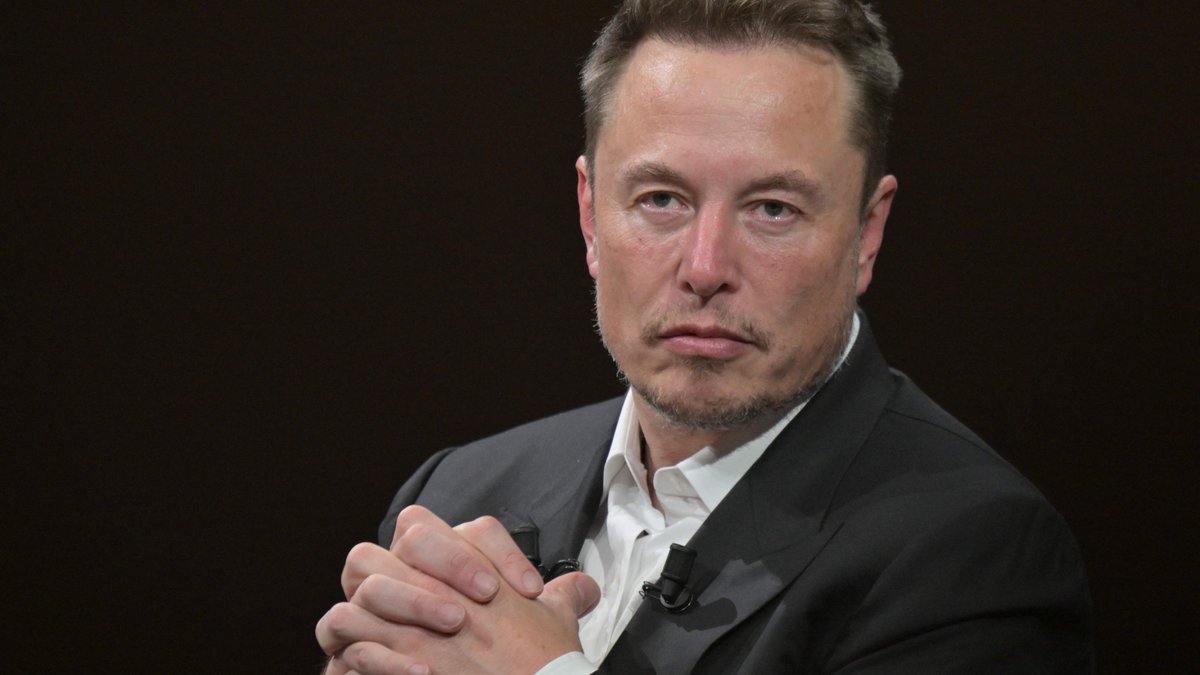
Elon Musk has issued a stark warning about the future of over 200 AI-focused cloud companies, predicting widespread failures and mergers as securing funds becomes increasingly challenging.
Musk Foresees Major Shakeup in AI Cloud Sector
On Sunday, Musk took to X to share his concerns, stating that debt markets are largely inaccessible to firms lacking significant revenue beyond AI data centers. He wrote, “That means the 200+ neoclouds are going to see guppy-level death and consolidation. Some will make it through, but not many.”
Musk’s comments were in response to Chamath Palihapitiya, founder of Social Capital, who had earlier warned that AI infrastructure investments for 2027 might not yield returns covering their costs or could remain unused. Palihapitiya anticipated a wave of consolidation as companies struggle to recoup their investments from the AI boom.
Neocloud companies, which provide high-performance GPUs essential for AI model training and operation, have experienced rapid growth. Firms like CoreWeave, Nebius, and IREN have expanded to meet the demands of tech companies seeking computing power without building their own infrastructure. However, the initial investment required for chips, power supply, and data center construction is substantial, often relying on borrowed capital.
Market Turmoil Impacts Key Industry Players
Recent market trends have hit these companies hard. CoreWeave and Nebius have seen their market value drop by over 30% this month, while IREN has plummeted by approximately 40%, as reported on Monday. Concerns escalated in early October when the cost of insuring CoreWeave’s debt against default surged, and its bond yields rose, indicating higher investor risk perception.
The scale of recent financial deals highlights the sector’s capital demands. In September, CoreWeave issued $4.2 billion in convertible senior notes with a 2.875% annual interest rate, maturing in 2033.
IREN has adopted a similar growth strategy. Its 2026 fiscal report revealed $2.8 billion in GPU financing, covering 90% of equipment costs. The company projected $4 billion in annualized recurring revenue from 2026 capacity contracts, compared to its current $1 billion operating run rate.
The varying funding structures among these companies make their financial health assessments complex, focusing on borrowing costs and repayment terms. These market worries contrast with Nvidia’s optimistic outlook, as a key chip supplier driving industry growth.
Average Financing Costs and Revenue Projections
Nebius’s $3.5 billion Citi financing carries a 2.75 percentage point spread over Term SOFR, while CoreWeave’s $4.2 billion convertible notes carry a 2.875% annual interest rate. Both companies have secured long-term customer commitments exceeding $40 billion to support additional asset-backed financing.
Strong Demand Persists Amid Market Uncertainty
Despite market jitters, some companies report robust demand. IREN’s co-CEO, Daniel Roberts, told CNBC that customer demand for 2025 capacity exceeds expectations, with 2028 discussions already underway. Nebius secured a $12 billion, five-year AI infrastructure deal with Meta in March, starting in 2027, and an additional $15 billion agreement for extra capacity over five years.
IREN’s financial results for August showed AI cloud revenue soaring to $128.8 million in fiscal 2026 from $16.4 million the prior year, as the company transitions from Bitcoin mining to AI computing. However, it also reported a $702.6 million net loss, largely due to non-cash charges from retiring Bitcoin mining hardware.